

Plenty of parents have a hard time helping their anxious kids through dental visits, whether they’re having a routine checkup and cleaning or a more complex procedure. However, if you have a child with autism, you may have additional unique challenges to contend with.
Fortunately, many pediatric dentists are experienced in working with children who may require certain accommodations for their visit to be successful. Continue reading to learn 3 tips that might also help your little one through their next dental appointment!
Tip #1: Make a Plan
One way you might help ease your child’s frustration about dental visits is to walk them through what to expect in incremental steps. For instance, you can provide a visual schedule that includes everything from the car ride to checking in, waiting to be called for their procedure, and finally, sitting in the dentist’s chair.
This can sometimes help children with autism gradually feel more comfortable with the process, which provides some much-needed mental and emotional stability to potentially help alleviate anxiety on the day of their appointment.
Tip #2: Visit Ahead of Time
Many children who have autism have different needs regarding sensory processing and executive functioning that can make dental visits particularly difficult. For example, if they’re unaccustomed to the bright lights of the office or the way a toothbrush feels against their teeth or gums, they’re more likely to feel afraid or react negatively.
Sometimes, visiting their dentist’s office in advance can help them grow more accustomed to the office environment to avoid a potential meltdown on the day of their procedure. Fortunately, many pediatric dentists are happy to accommodate these types of visits, especially if they have been made aware of your child’s unique circumstances. Feel free to call your child’s provider to ask if it’s okay for the two of you to practice visiting before the big day.
Tip #3: Incorporate Positive Reinforcement
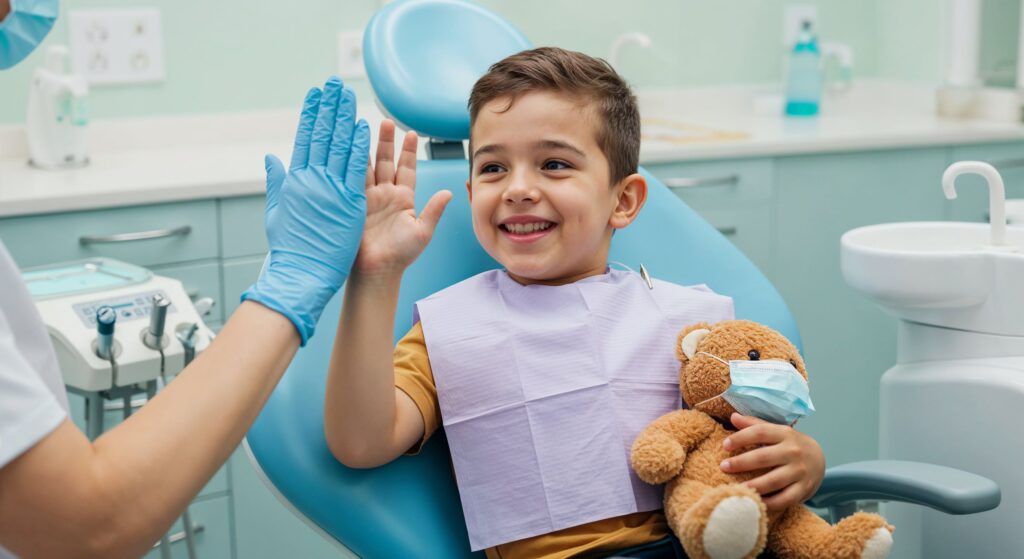
Another way you can help your child through their next dental appointment is to include positive reinforcement as they complete each step. For instance, you can praise them with high-fives or congratulations after their teeth have been examined and before they’re polished for a checkup and cleaning.
However, you may want to avoid sugary, sticky sweets that could interfere with their dental treatment. It may be more helpful to offer other items, such as fun stickers, bubbles, miniature finger toys, or other rewards that have been successful with your child.
Thankfully, many pediatric dentists undergo specialized training to be able to work effectively with children who have autism and might suggest additional helpful strategies to try!
About the Practice
Patients at Garland Pediatric Dentistry benefit from two experts eager to help your child build and maintain a happy, healthy smile. Dr. Ben and Dr. K share decades of combined experience and, today, they provide a comprehensive menu of services tailored to still-developing grins. They welcome children with unique challenges, including those who have autism, and are happy to accommodate your family’s needs. You can request an appointment on the website or call (972) 674-9966.